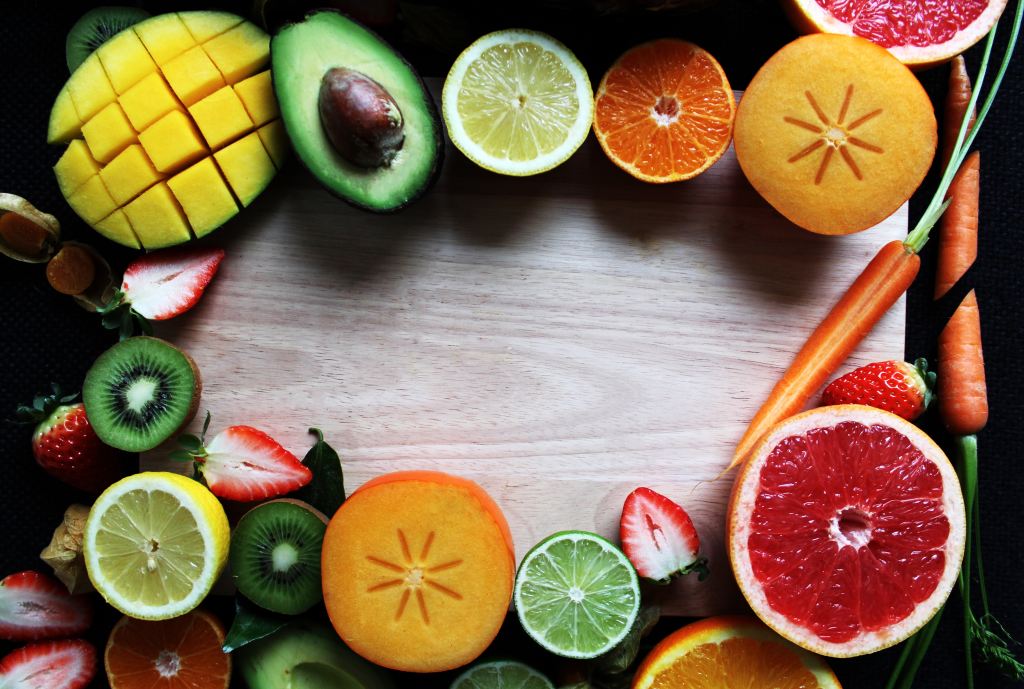
6 Healthy Lifestyle Tips

For most of the healthy people, a high-protein diet generally isn’t harmful, but particularly when followed for a short time.

                  Needless to say, protein is essential for growth, development and overall health. This essential component of a healthy diet makes you feel satiated, reduces fat, helps lose weight, and retain muscle mass. 

               But there have been several risks associated with protein consumption when it is consuming excessively.

               Recent trending diets such as the ‘Atkins’, ‘Paleo’ and ‘Keto’, are all typically high in protein and it is important to be aware of the risks of high-protein consumption before following such diet.

              Also, nutritional experts don’t recommend protein consumption to exceed the daily recommended range. Read below to find out the ill-effects of consuming a high-protein diet.

1. Long-term Weight Gain- Although high-protein diets have been used for weight loss and managing overweight and obesity, it is only short-termed. Excess protein gets stored as fat while the enormous amounts of amino acids get excreted. 

              This can lead to weight gain over a period of time, particularly if you consume a lot of calories while you are on a high-protein diet. One study has reported an increased risk of body weight gain and overall mortality when carbohydrates were replaced by protein.

2. Can Cause Diarrhea or Leave You Constipated- Diets with excess protein that include very low amounts of carbohydrates usually contain very low amounts of fiber. It can thereby cause constipation. 

            A 2016 study reported that 44% of the study participants were constipated as a result of consuming a high-protein diet. Also, the lack of fiber, when coupled with consumption of high-protein foods like dairy or processed food can result in diarrhea..

3. Increases Your Risk of Heart Diseases- A 2010 research has reported that consuming high-protein foods like red meat or high-fat dairy increases one’s risk of coronary heart diseases, especially among women. 

          And reducing or cutting down dietary red meat was reported to reverse the effects.

CLICK HERE TO CONTINUE THIS INTERESTING POST

5 Reasons Why High Protein Diet Can Be Dangerous

For most of the healthy people, a high-protein diet generally isn’t harmful, but particularly when followed for a short time.

5 Reasons Why High Protein Diet Can Be Dangerous

                  Needless to say, protein is essential for growth, development and overall health. This essential component of a healthy diet makes you feel satiated, reduces fat, helps lose weight, and retain muscle mass. 

               But there have been several risks associated with protein consumption when it is consuming excessively.

               Recent trending diets such as the ‘Atkins’, ‘Paleo’ and ‘Keto’, are all typically high in protein and it is important to be aware of the risks of high-protein consumption before following such diet.

              Also, nutritional experts don’t recommend protein consumption to exceed the daily recommended range. Read below to find out the ill-effects of consuming a high-protein diet.

1. Long-term Weight Gain- Although high-protein diets have been used for weight loss and managing overweight and obesity, it is only short-termed. Excess protein gets stored as fat while the enormous amounts of amino acids get excreted. 

              This can lead to weight gain over a period of time, particularly if you consume a lot of calories while you are on a high-protein diet. One study has reported an increased risk of body weight gain and overall mortality when carbohydrates were replaced by protein.

2. Can Cause Diarrhea or Leave You Constipated- Diets with excess protein that include very low amounts of carbohydrates usually contain very low amounts of fiber. It can thereby cause constipation. 

            A 2016 study reported that 44% of the study participants were constipated as a result of consuming a high-protein diet. Also, the lack of fiber, when coupled with consumption of high-protein foods like dairy or processed food can result in diarrhea..

3. Increases Your Risk of Heart Diseases- A 2010 research has reported that consuming high-protein foods like red meat or high-fat dairy increases one’s risk of coronary heart diseases, especially among women. 

          And reducing or cutting down dietary red meat was reported to reverse the effects.

4. Can Cause Nutritional Deficiencies- Certain high-protein diets, especially those that restrict carbohydrates can cause nutritional deficiencies, insufficient fiber, and calcium loss. 

           The loss of calcium can impact bone health and can put you at risk of osteoporosis. A 2013 research has reported that high-protein consumption and increased one’s risk of bone disorders.

5. A high-protein diet may be worsen kidney function in the people with kidney disease because your body is may have trouble eliminating all the waste products of protein metabolism.

CLICK HERE TO READ INTERESTING HEALTH ARTICLES

Introduce Yourself (Example Post)

This is an example post, originally published as part of Blogging University. Enroll in one of our ten programs, and start your blog right.

You’re going to publish a post today. Don’t worry about how your blog looks. Don’t worry if you haven’t given it a name yet, or you’re feeling overwhelmed. Just click the “New Post” button, and tell us why you’re here.

Why do this?

  • Because it gives new readers context. What are you about? Why should they read your blog?
  • Because it will help you focus you own ideas about your blog and what you’d like to do with it.

The post can be short or long, a personal intro to your life or a bloggy mission statement, a manifesto for the future or a simple outline of your the types of things you hope to publish.

To help you get started, here are a few questions:

  • Why are you blogging publicly, rather than keeping a personal journal?
  • What topics do you think you’ll write about?
  • Who would you love to connect with via your blog?
  • If you blog successfully throughout the next year, what would you hope to have accomplished?

You’re not locked into any of this; one of the wonderful things about blogs is how they constantly evolve as we learn, grow, and interact with one another — but it’s good to know where and why you started, and articulating your goals may just give you a few other post ideas.

Can’t think how to get started? Just write the first thing that pops into your head. Anne Lamott, author of a book on writing we love, says that you need to give yourself permission to write a “crappy first draft”. Anne makes a great point — just start writing, and worry about editing it later.

When you’re ready to publish, give your post three to five tags that describe your blog’s focus — writing, photography, fiction, parenting, food, cars, movies, sports, whatever. These tags will help others who care about your topics find you in the Reader. Make sure one of the tags is “zerotohero,” so other new bloggers can find you, too.

Design a site like this with WordPress.com
Get started